
Why Organic?

Kid-Safe and Environment Friendly
At Buttonwood Farm, we believe that Christmas Trees should be healthy for your family and the environment. Just like anything else you would bring into your home. Unfortunately, most commercial Christmas tree growers spray herbicides, pesticides, fungicides, and other toxins on their trees and surrounding grounds, as well as concentrated fertilizers that can leach into surrounding streams and rivers.
We do none of that. We achieve those same goals the old fashioned way - cultivating species that thrive naturally in our climate without toxic sprays. Where they use chemicals, we use labor - lots of it! We provide many local teens with their first jobs, and critical income opportunities to adults in need.
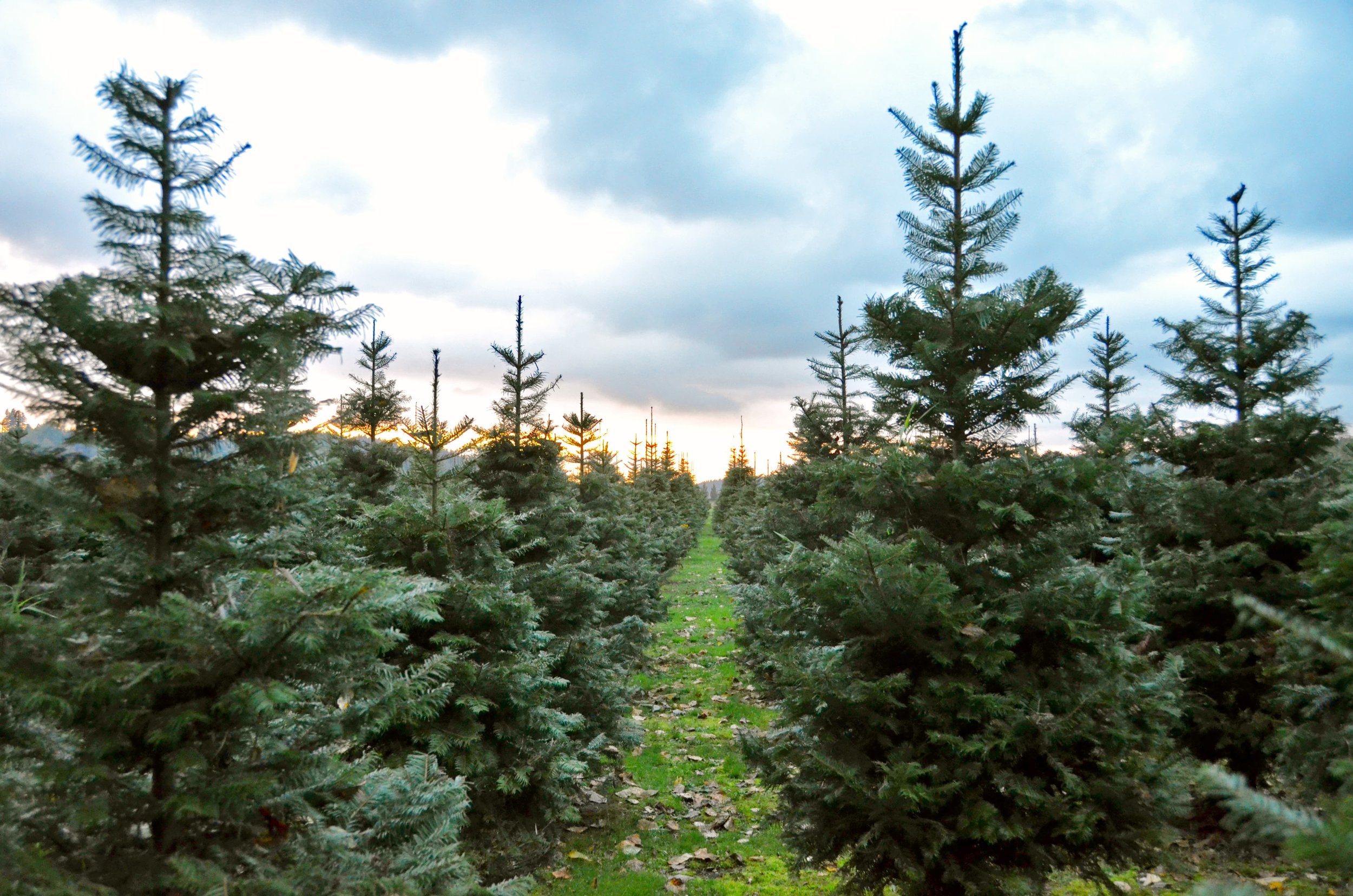
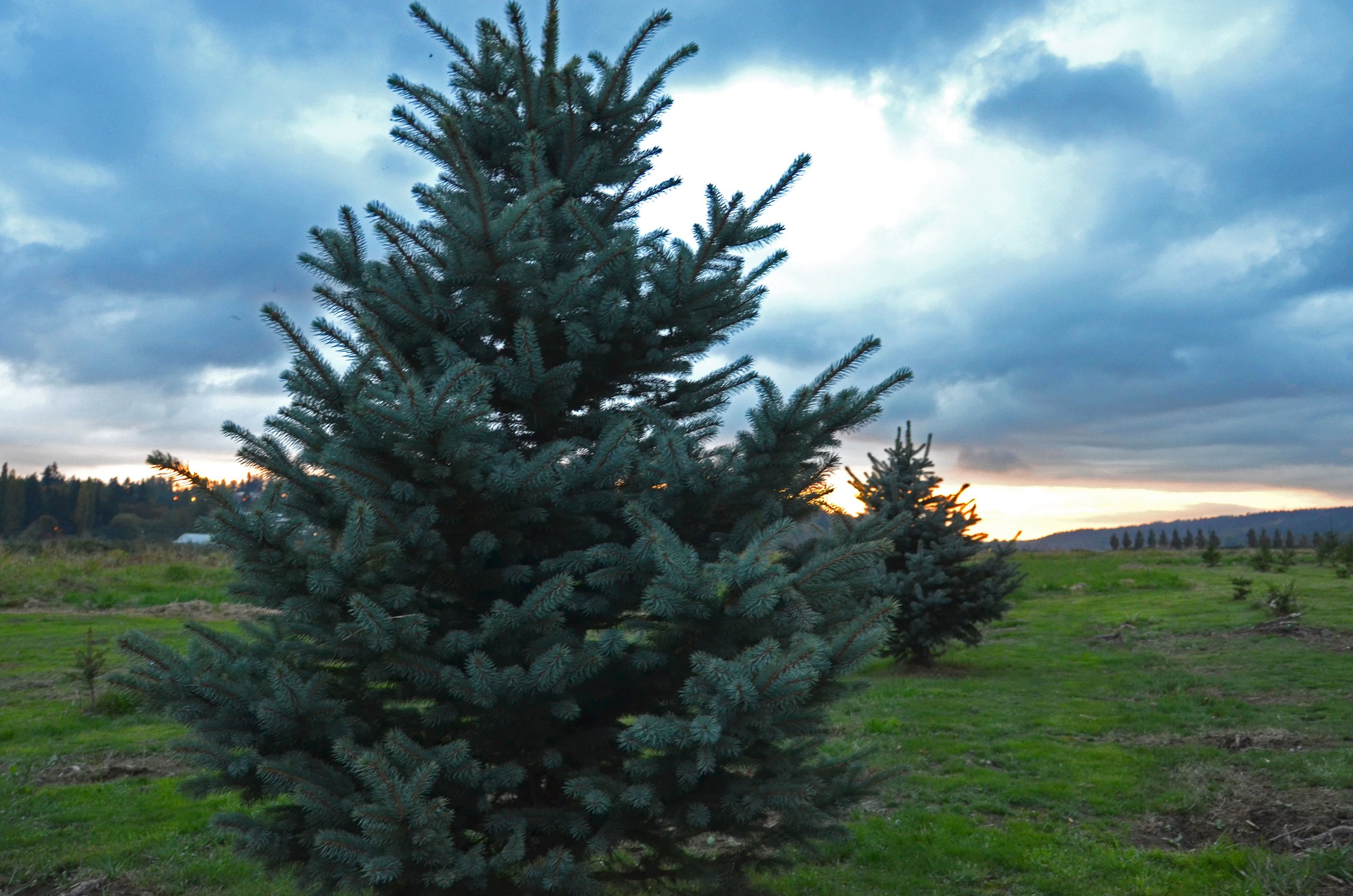
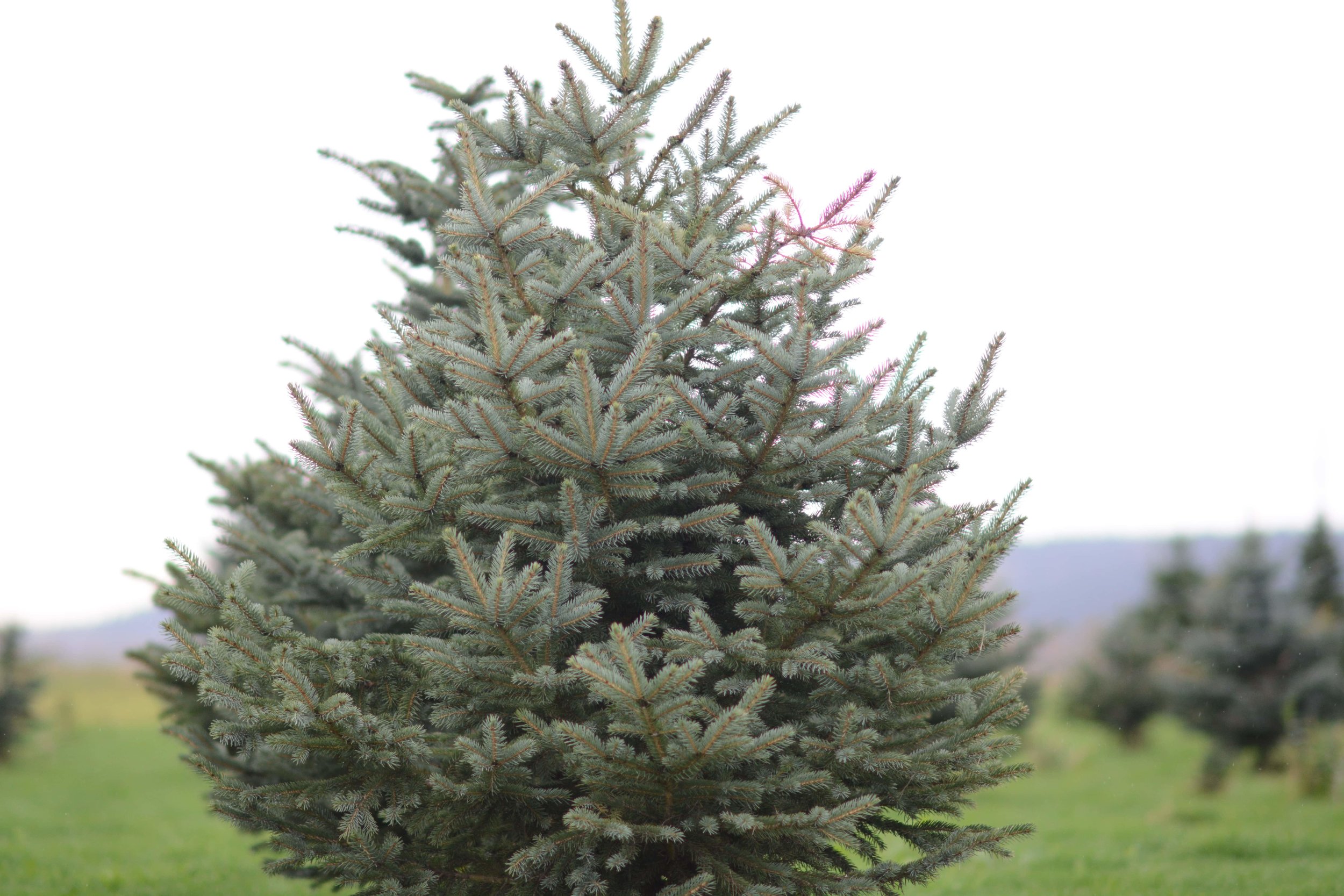
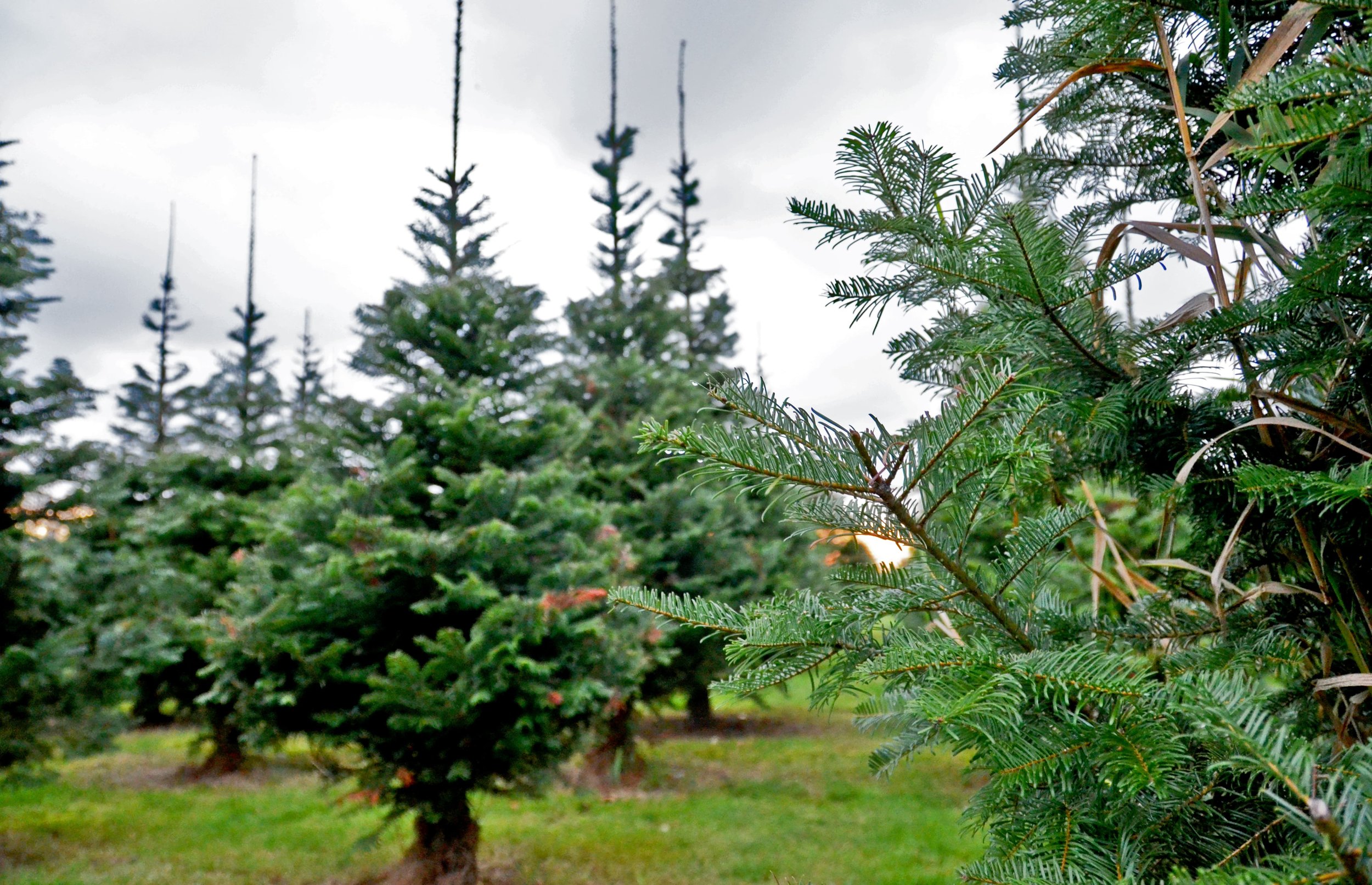
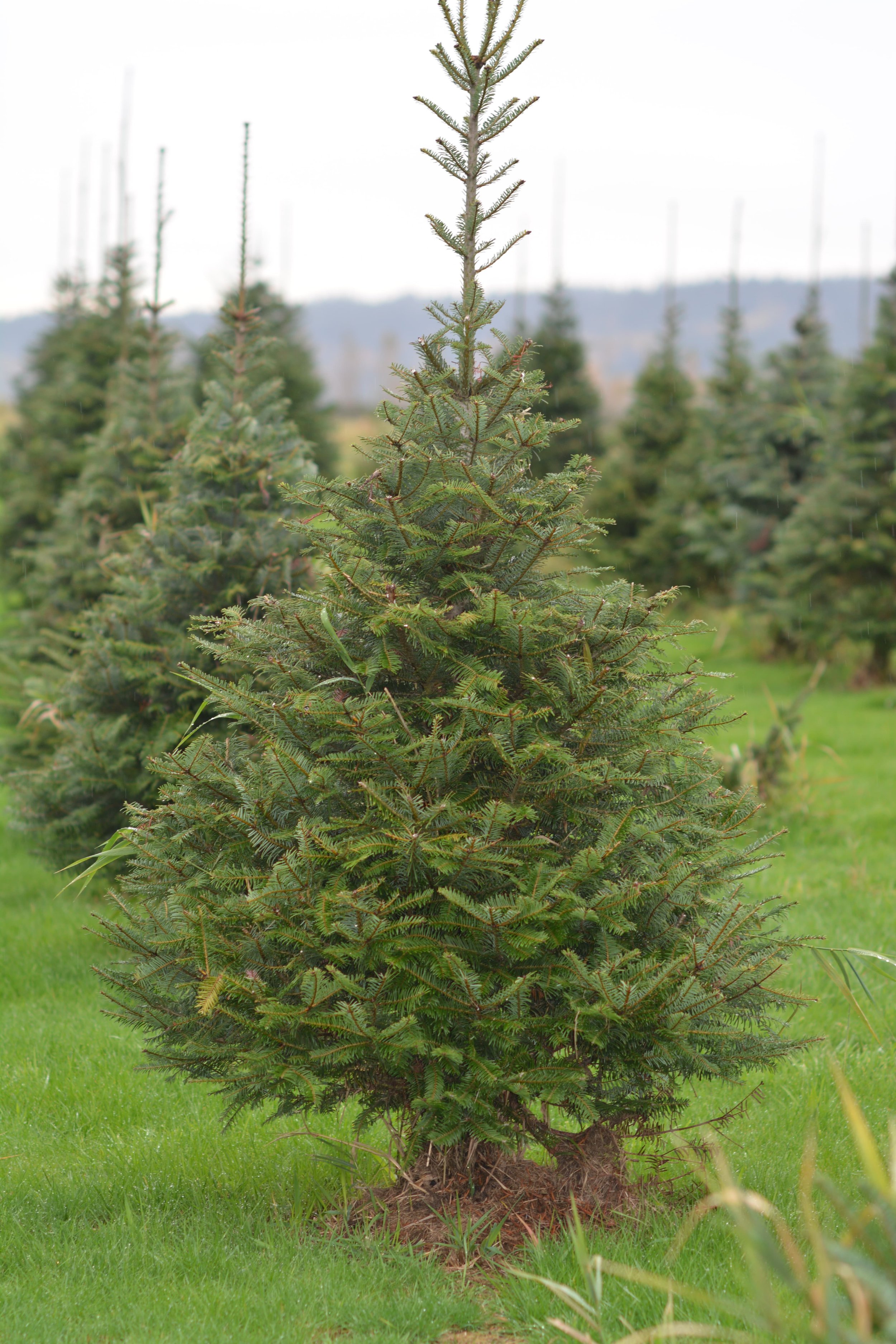
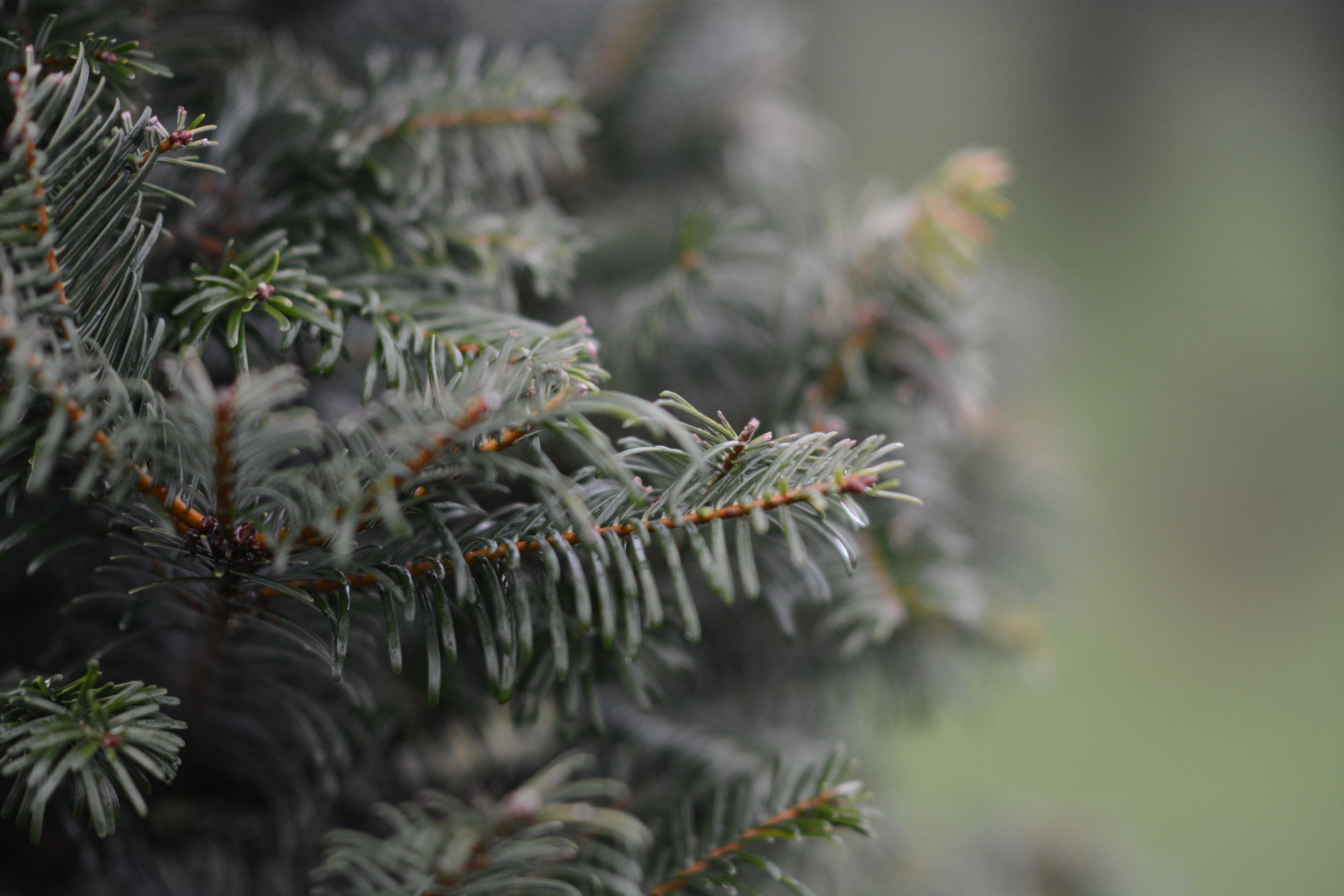
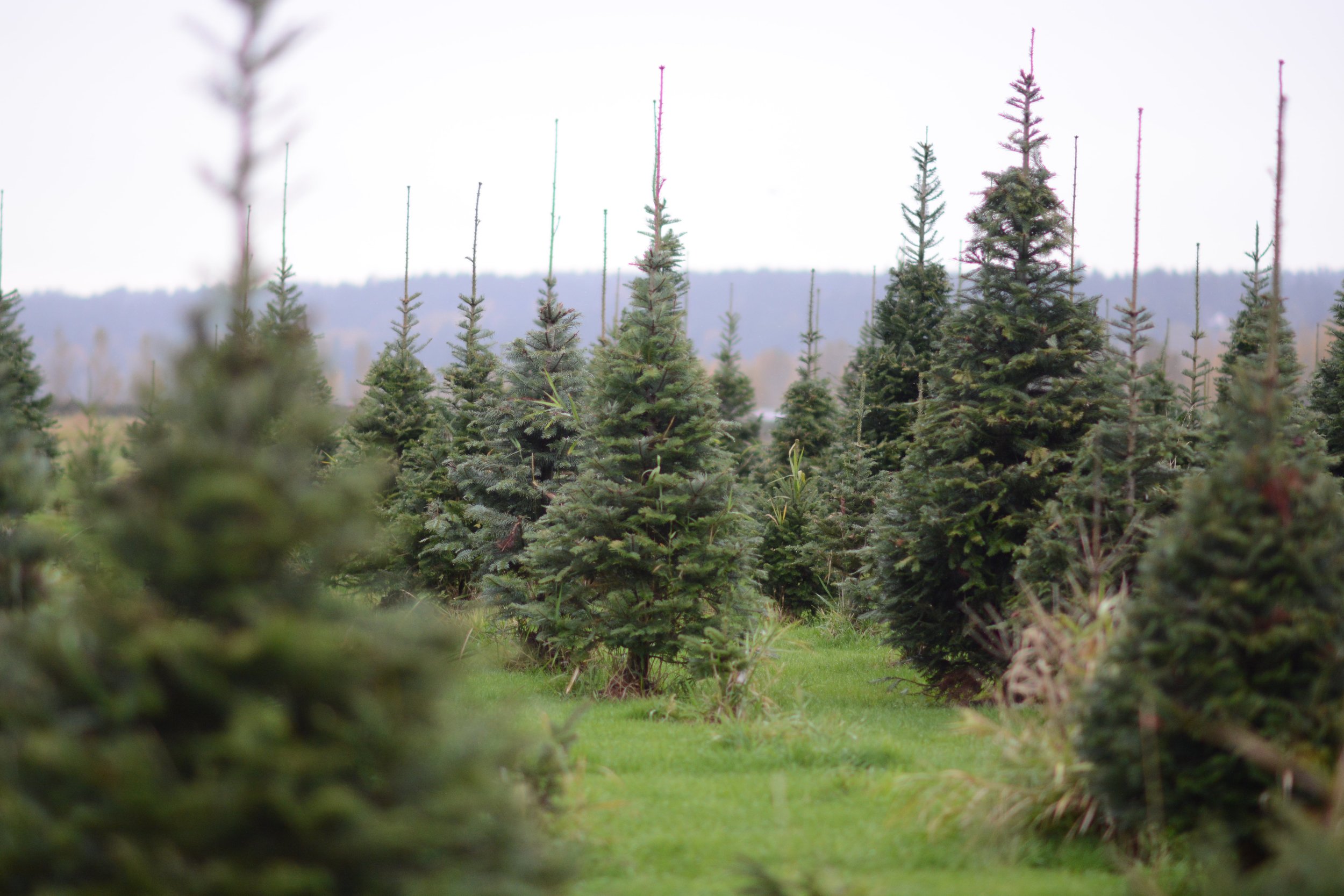
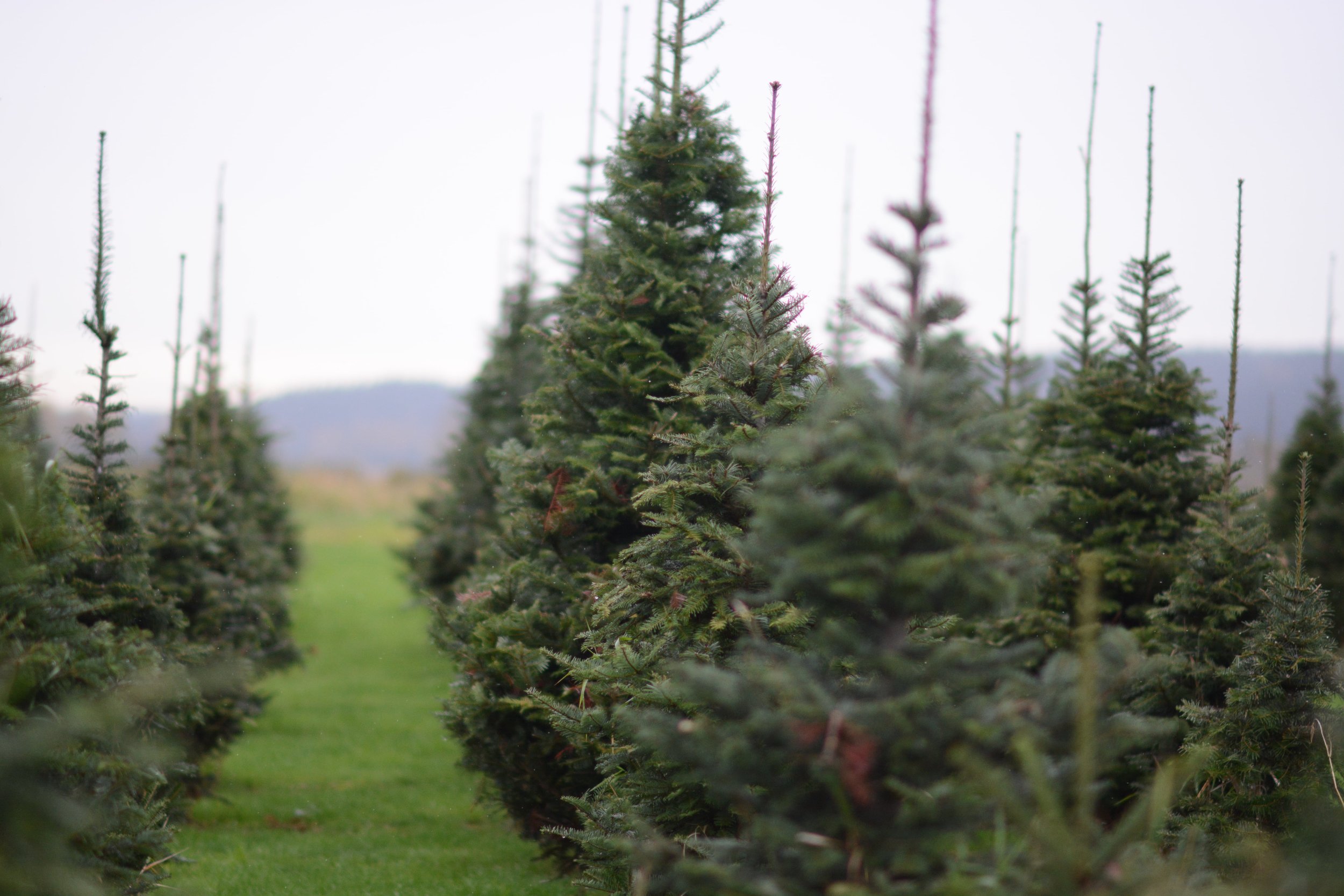
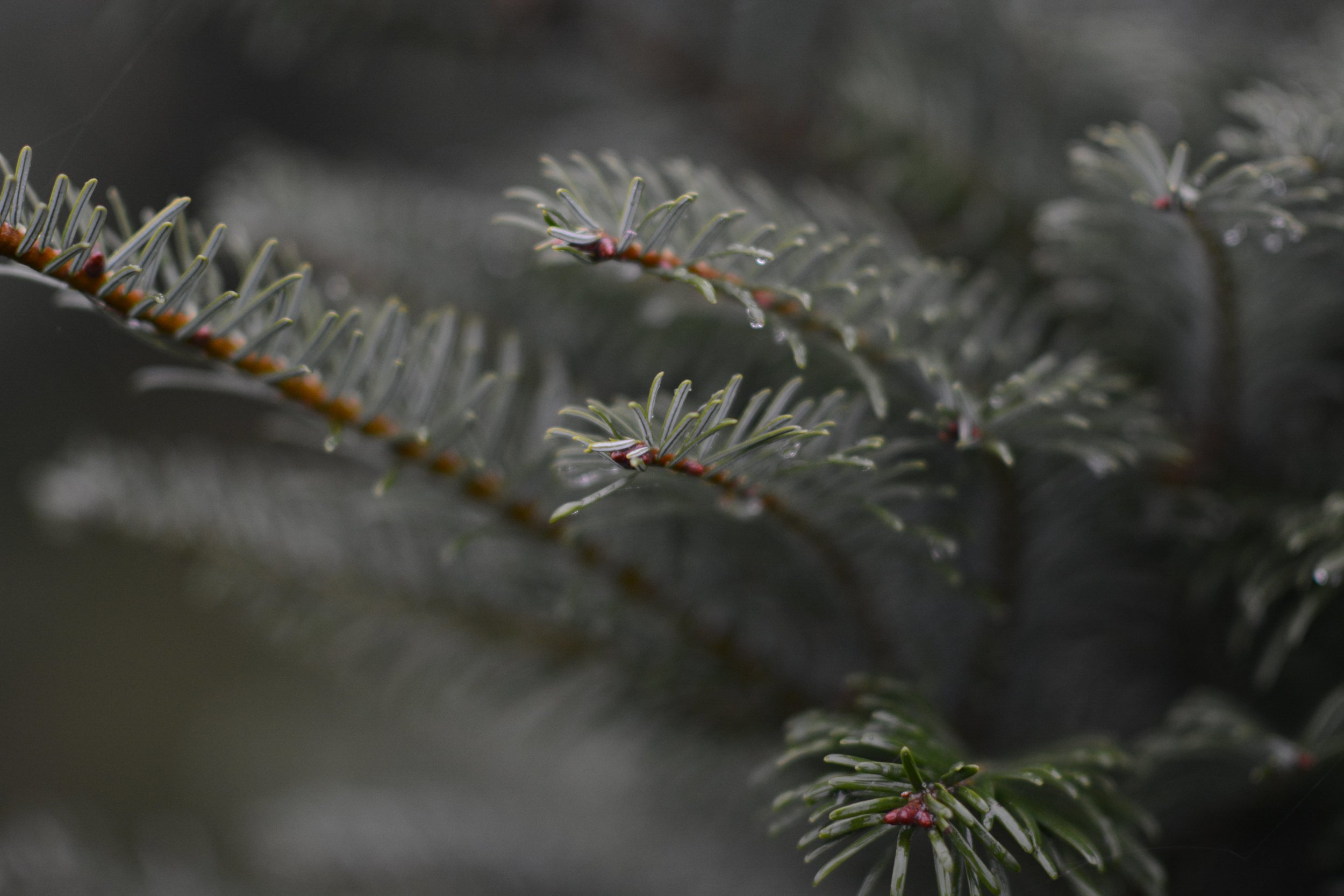
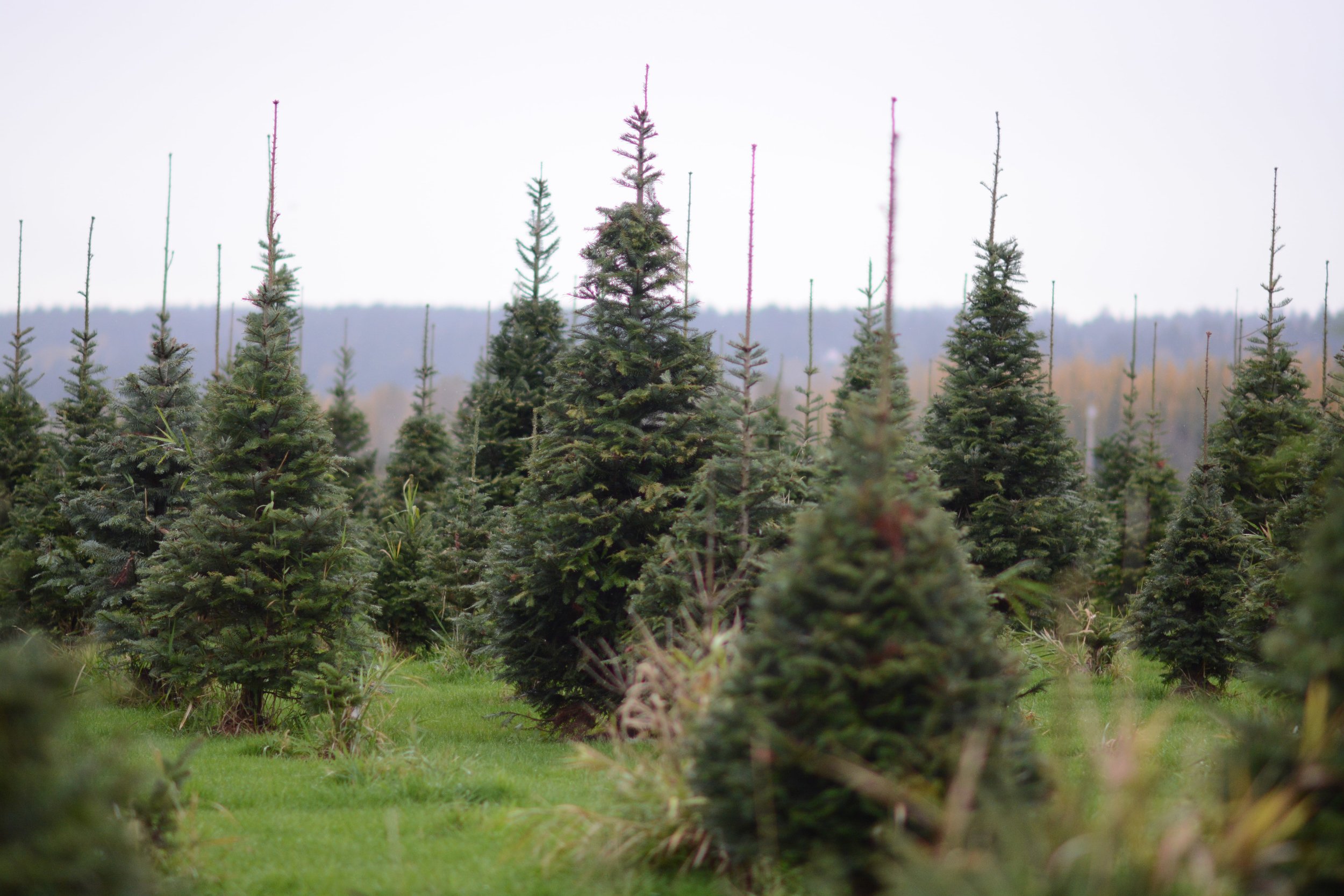
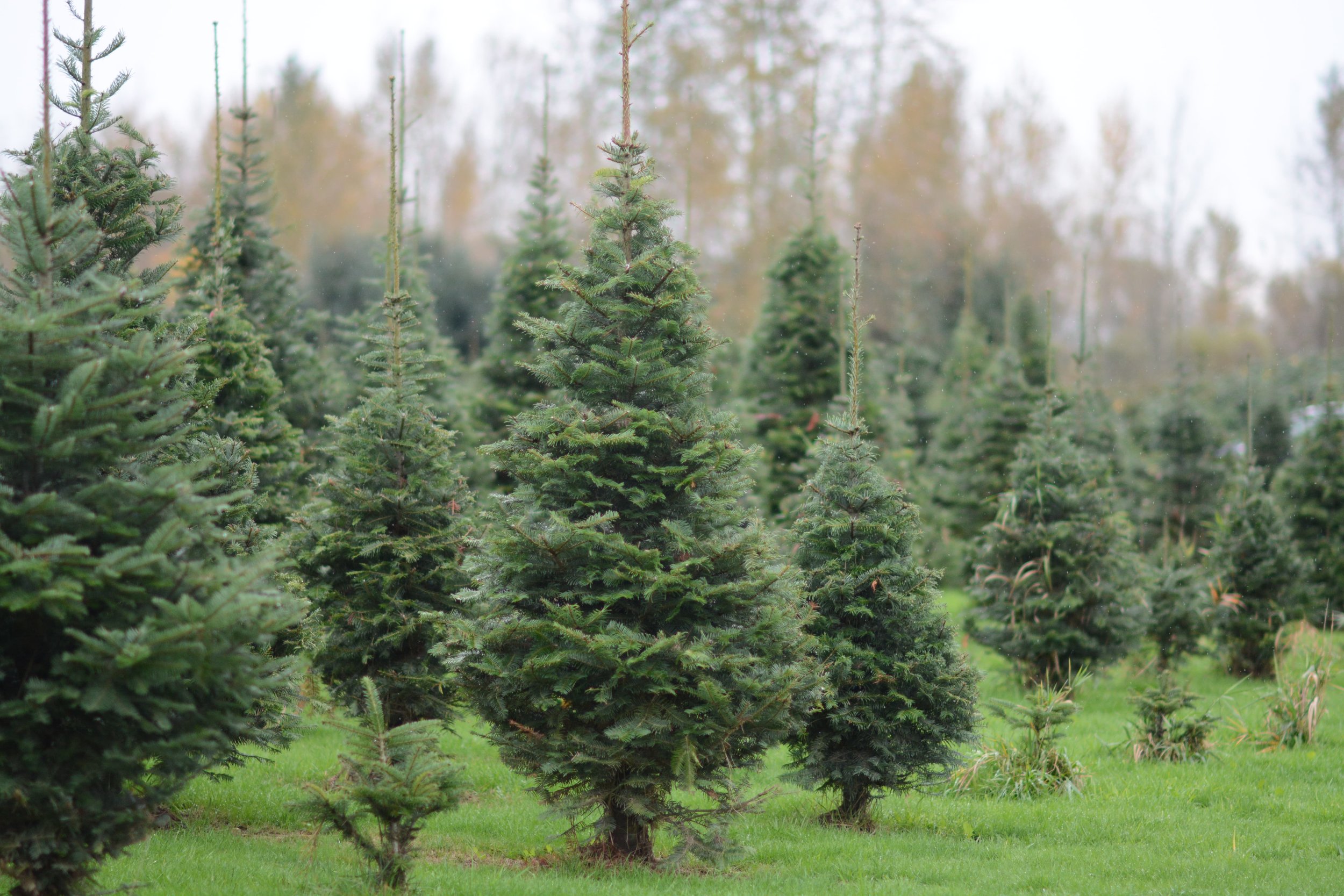
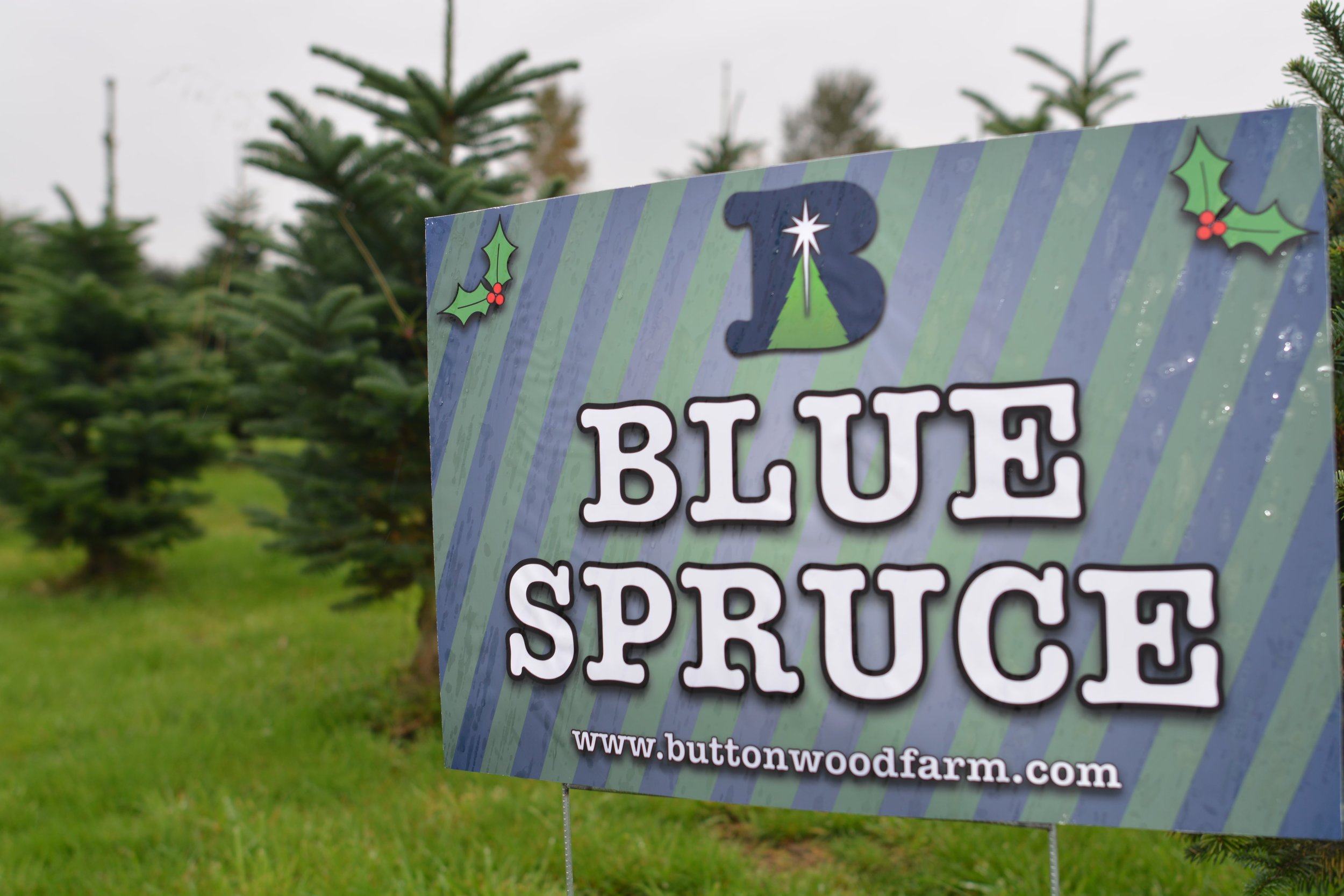
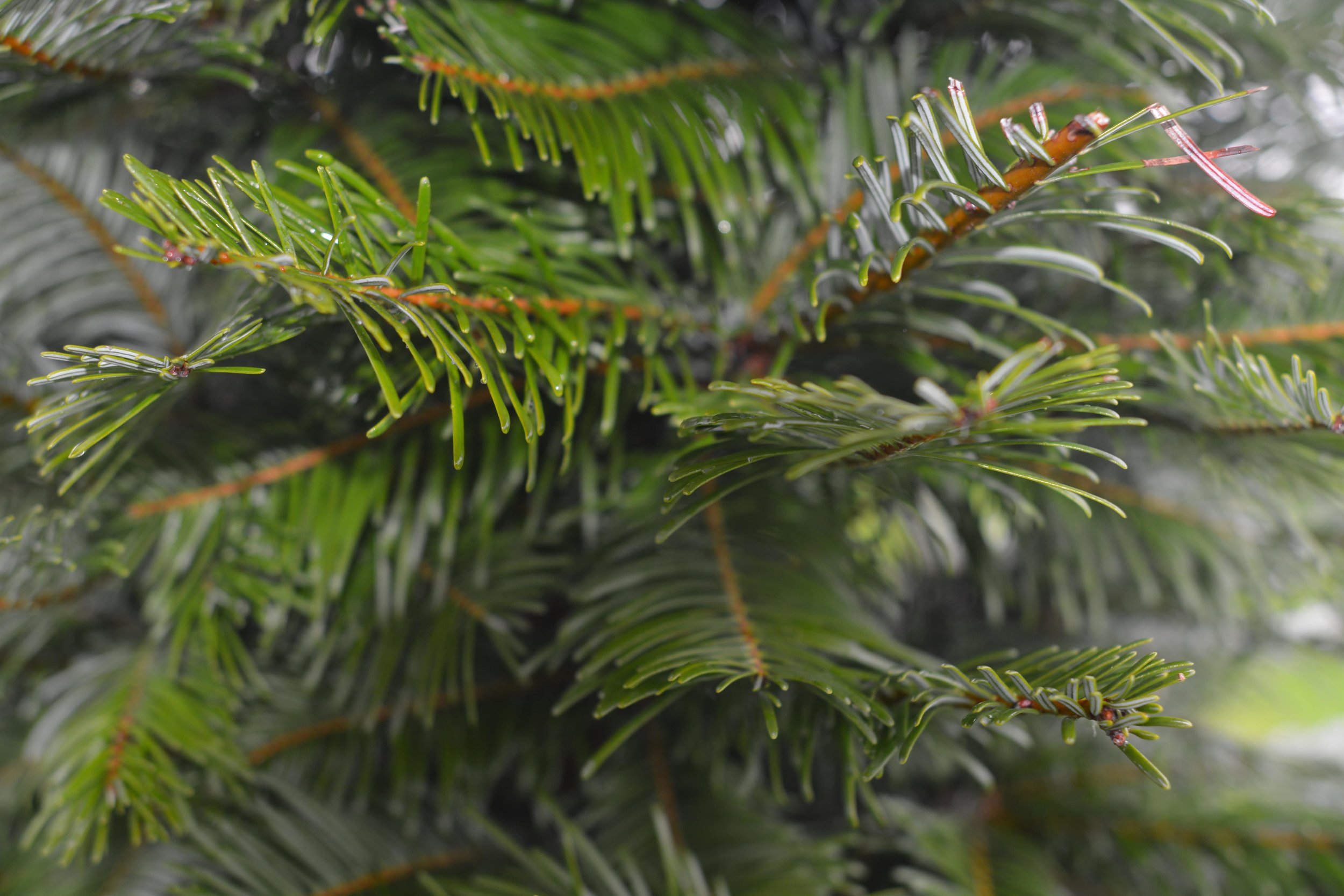
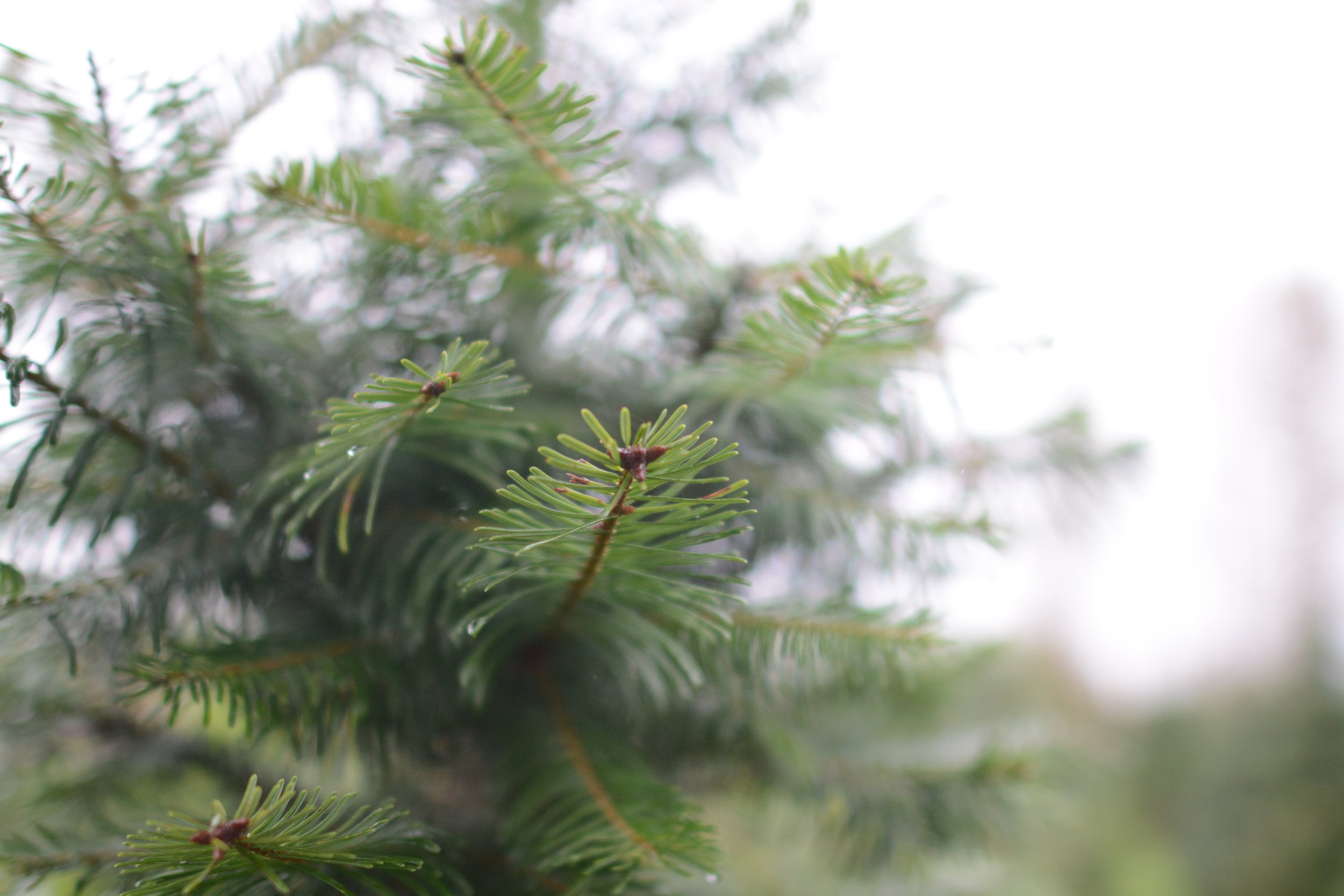
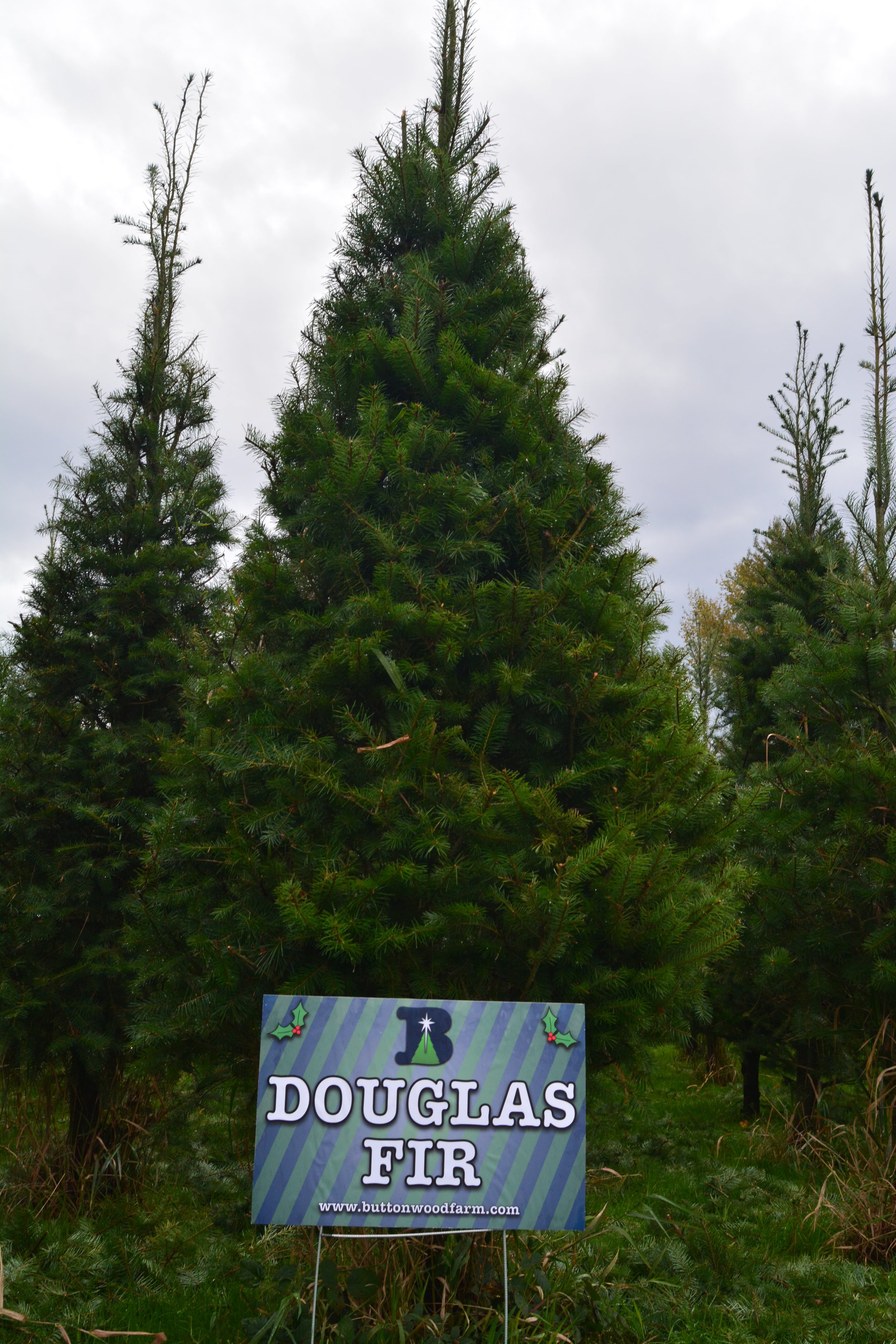
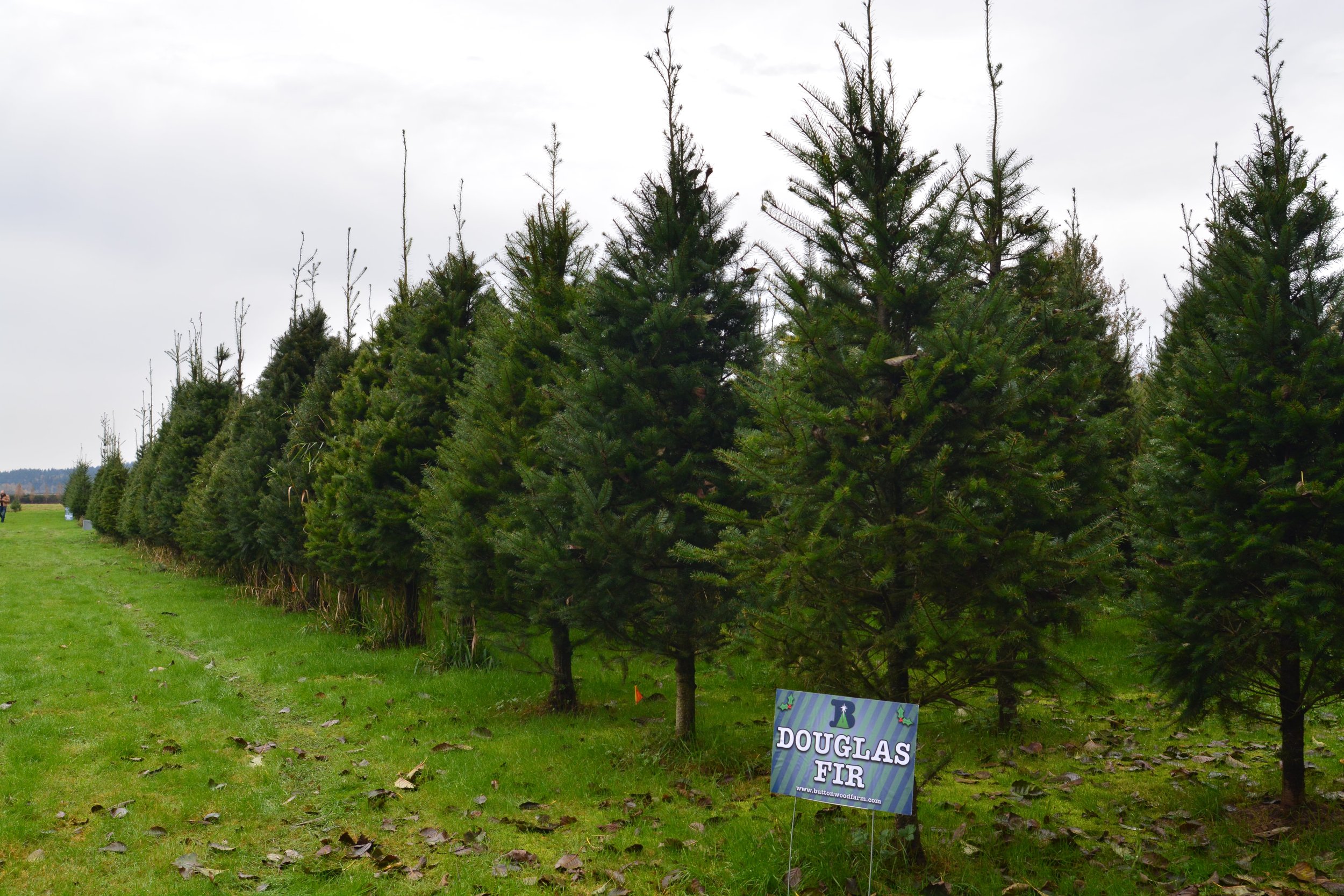
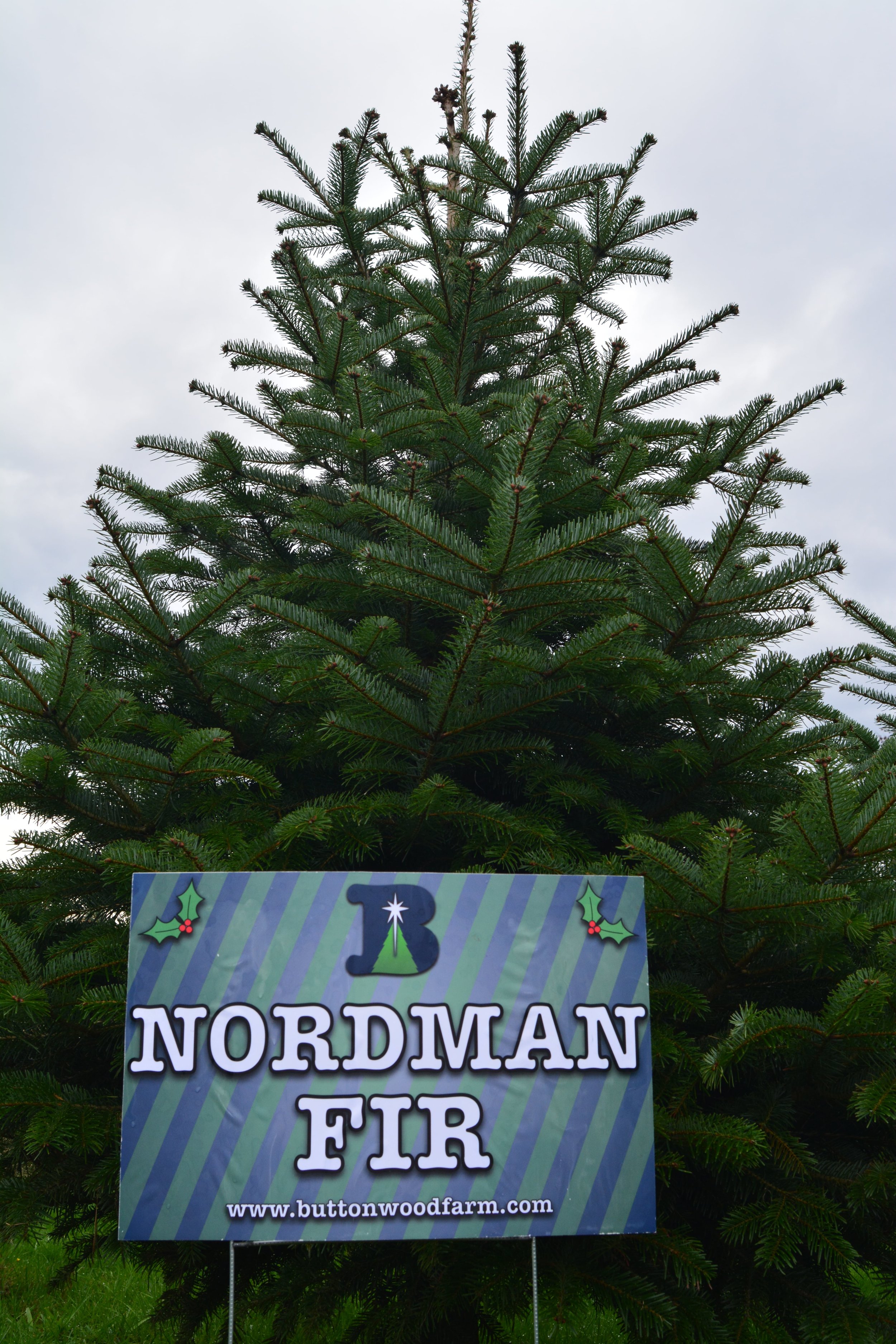
Buttonwood Farm is Washington’s premier 100% USDA certified organic Christmas Tree farm, growing natural, local, organic Christmas Trees guaranteed to be free of toxic residue, “clean enough to eat!” Buttonwood Farm is committed to keeping poisons out of our local neighborhood, farms, streams, and out of your living room during the holidays!
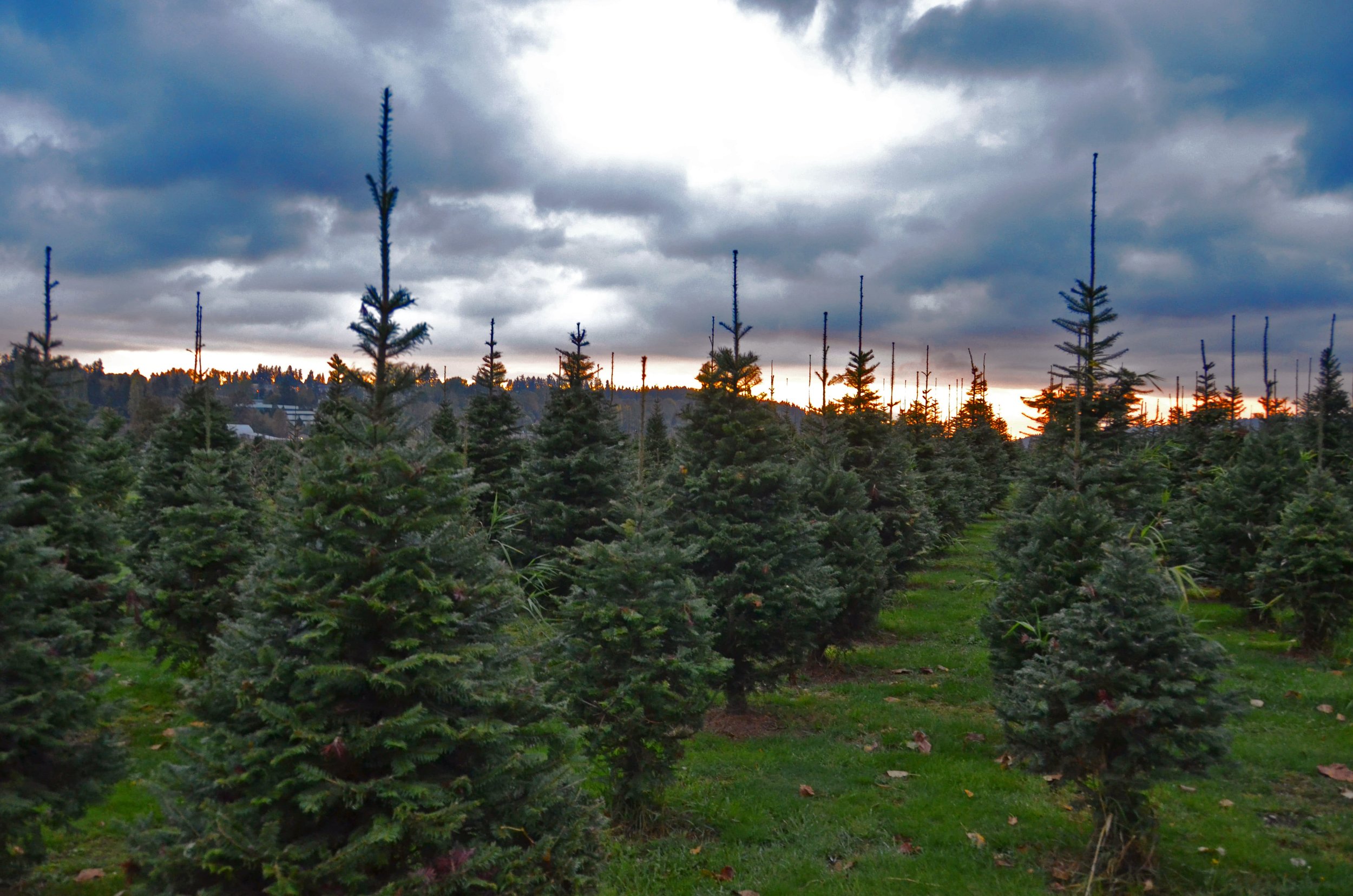
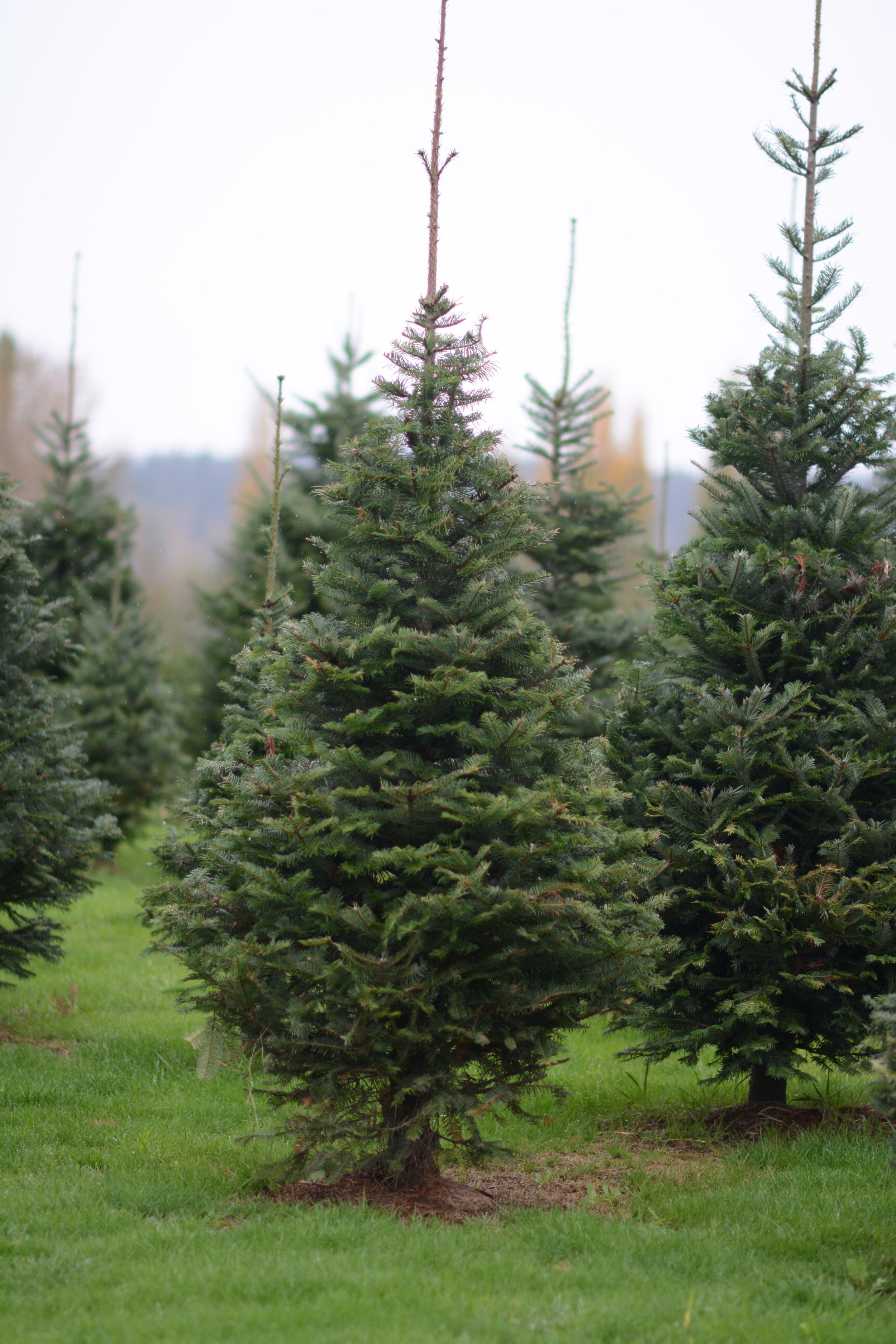
Beyond organic: Naturally Better! At Buttonwood Farm, our commitment to the environment meets all the requirements for USDA organic certification, but we don’t stop there. Our regenerative farming practices work with nature, not against it. Instead of constantly tilling the soil and leaving the ground bare as many organic farms do, instead we cultivate a healthy carpet of natural green vegetation under our trees and all over our farm.
This diverse green ground cover pulls maximum carbon dioxide from the air, enriches the soil, supports beneficial organisms, and keeps the soil balanced and fertile naturally, without harmful chemicals. It’s more work, but we think it’s worth it.
The result? Healthier soil, happier trees, and a thriving natural ecosystem.
No bare, over-tilled fields here. Just nature doing what it does best.












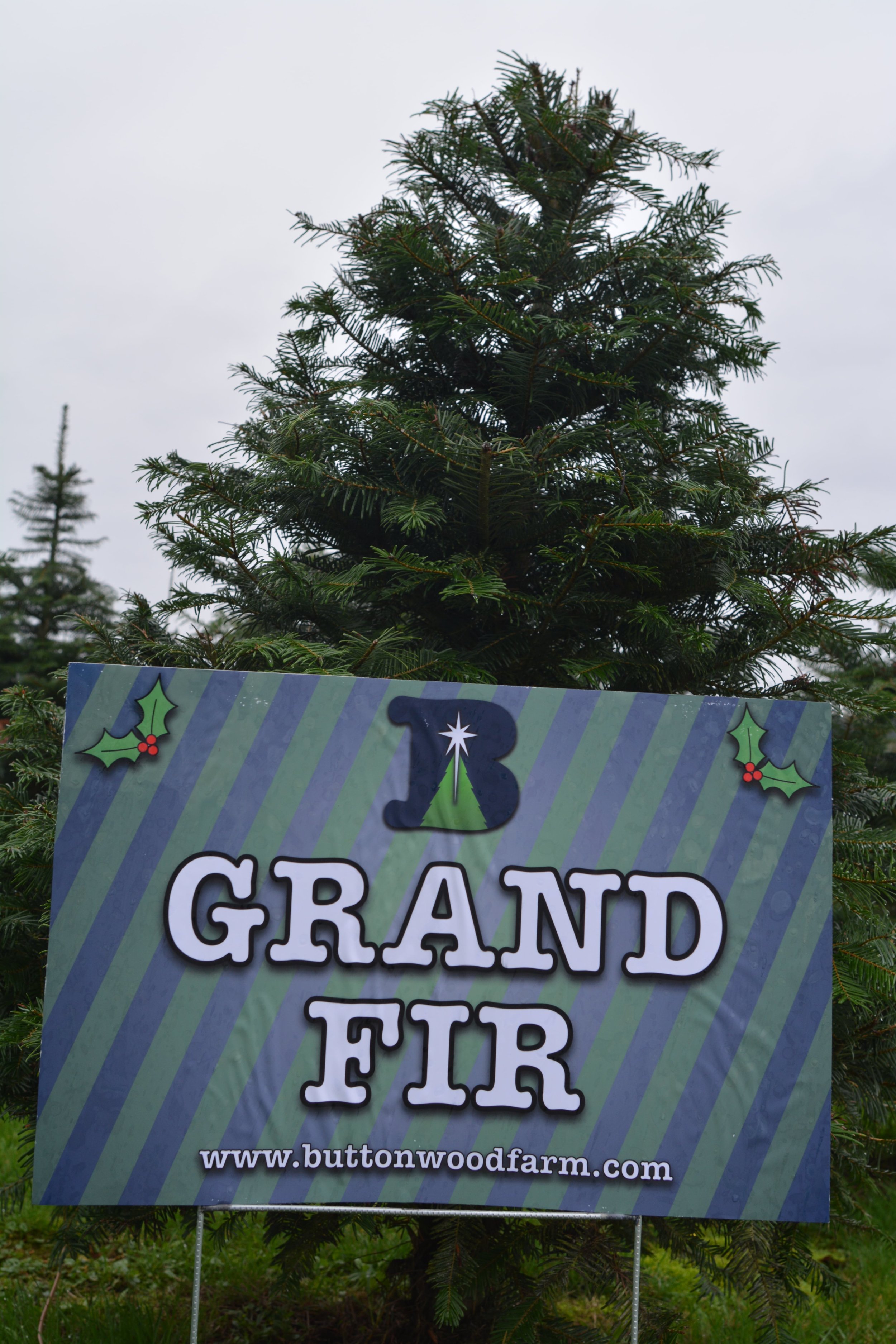
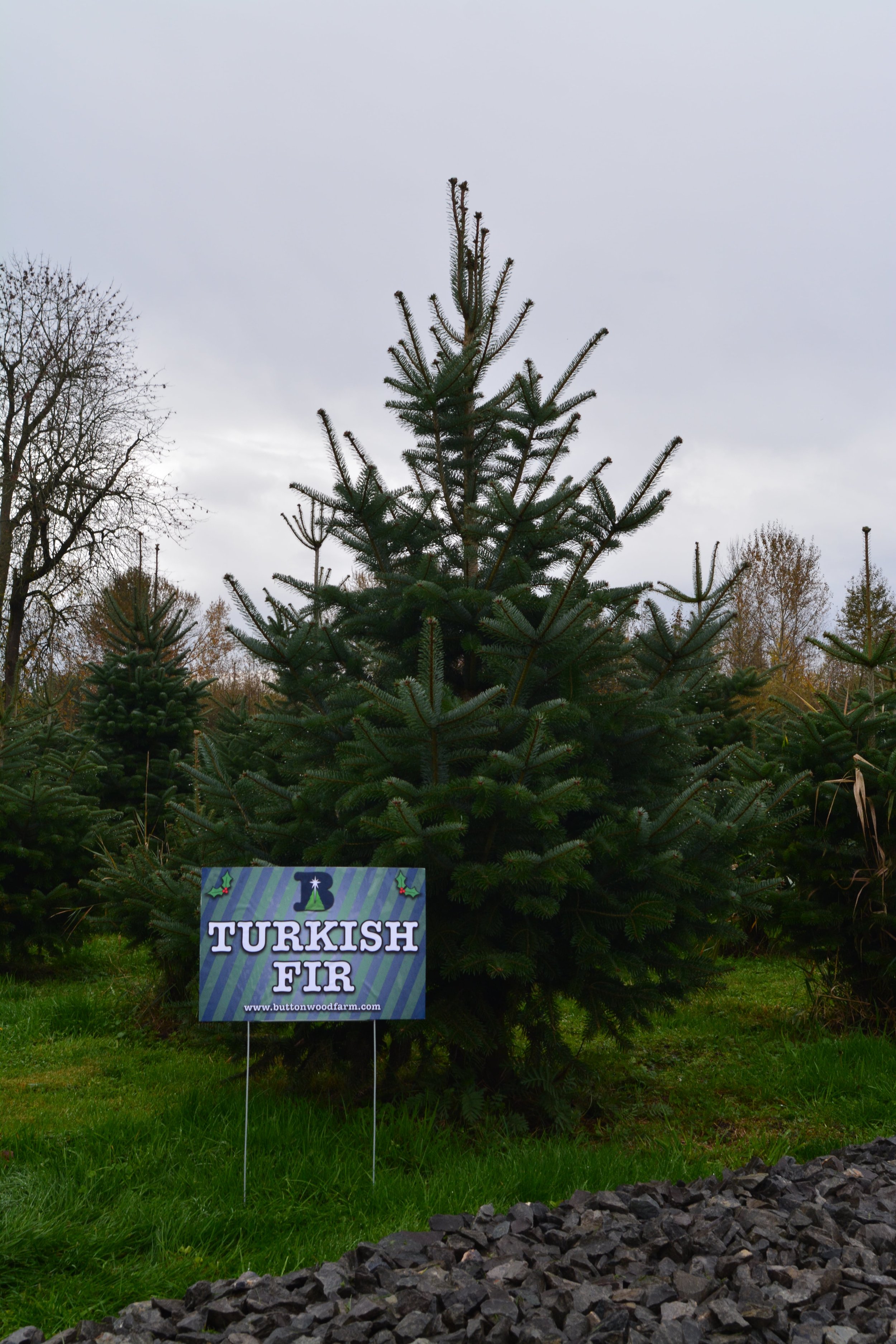







Dangers of Conventional Christmas Tree Farms
Christmas Tree Farms that are NOT organic can spray carcinogens and toxins on your tree, in the environment, and the residue can still be there when you bring it home.
Several of the chemicals commonly used by conventional Christmas tree farms are classified as known health hazards, neurotoxins, endocrine disruptors, or potential carcinogens.
The primary health concerns associated with these chemicals break down as follows:
1. Carcinogens (Cancer Hazards)
Chlorothalonil (Fungicide): Classified by the US EPA as a “likely human carcinogen” (Group B2). It has been shown to cause kidney and gastrointestinal tumors in animal studies. Due to these carcinogenic risks and groundwater contamination concerns, it was entirely banned in the European Union.
Carbaryl (Insecticide): Classified by the EPA as a "likely" human carcinogen. It is a carbamate compound that poses risks through chronic exposure.
Glyphosate (Herbicide): Classified by the World Health Organization's IARC as "probably carcinogenic to humans" (Group 2A), with strong links to Non-Hodgkin lymphoma. However, it is worth noting a division in regulatory consensus: the US EPA maintains that glyphosate is unlikely to be carcinogenic to humans when used according to current labels.
2. Neurotoxins (Brain & Nervous System Damage)
Chlorpyrifos (Insecticide): A highly potent organophosphate nerve agent. Exposure—especially prenatal or during early childhood—is strongly linked to lower IQs, cognitive delays, loss of working memory, developmental delays, and higher rates of ADHD. It has faced bans for residential use and extensive agricultural restrictions because of these severe neurological impacts.
Dimethoate (Insecticide): Another organophosphate that acts as a neurotoxin. Like chlorpyrifos, it inhibits acetylcholinesterase (an essential enzyme for nervous system function), which can cause acute poisoning symptoms like nausea, dizziness, and tremors, as well as chronic neurological issues.
3. Endocrine Disruptors & Reproductive Toxins
Atrazine & Simazine (Herbicides): Well-documented endocrine disruptors. These triazine chemicals interfere with natural hormone systems and have been linked to birth defects, reproductive harm, and kidney disease. Because simazine is highly water-soluble, it has historically been flagged for leaching into rural drinking wells near tree farms.
Hexazinone (Herbicide): Associated with systemic organ toxicity. While it has lower acute toxicity than organophosphates, heavy exposure is tracked for its chronic impacts on internal organs.
Zero of those, or any other toxic chemicals, have ever been sprayed at Buttonwood Farm. Everything we grow is 100% USDA Certified Organic. Good for the environment. Clean enough to eat!